

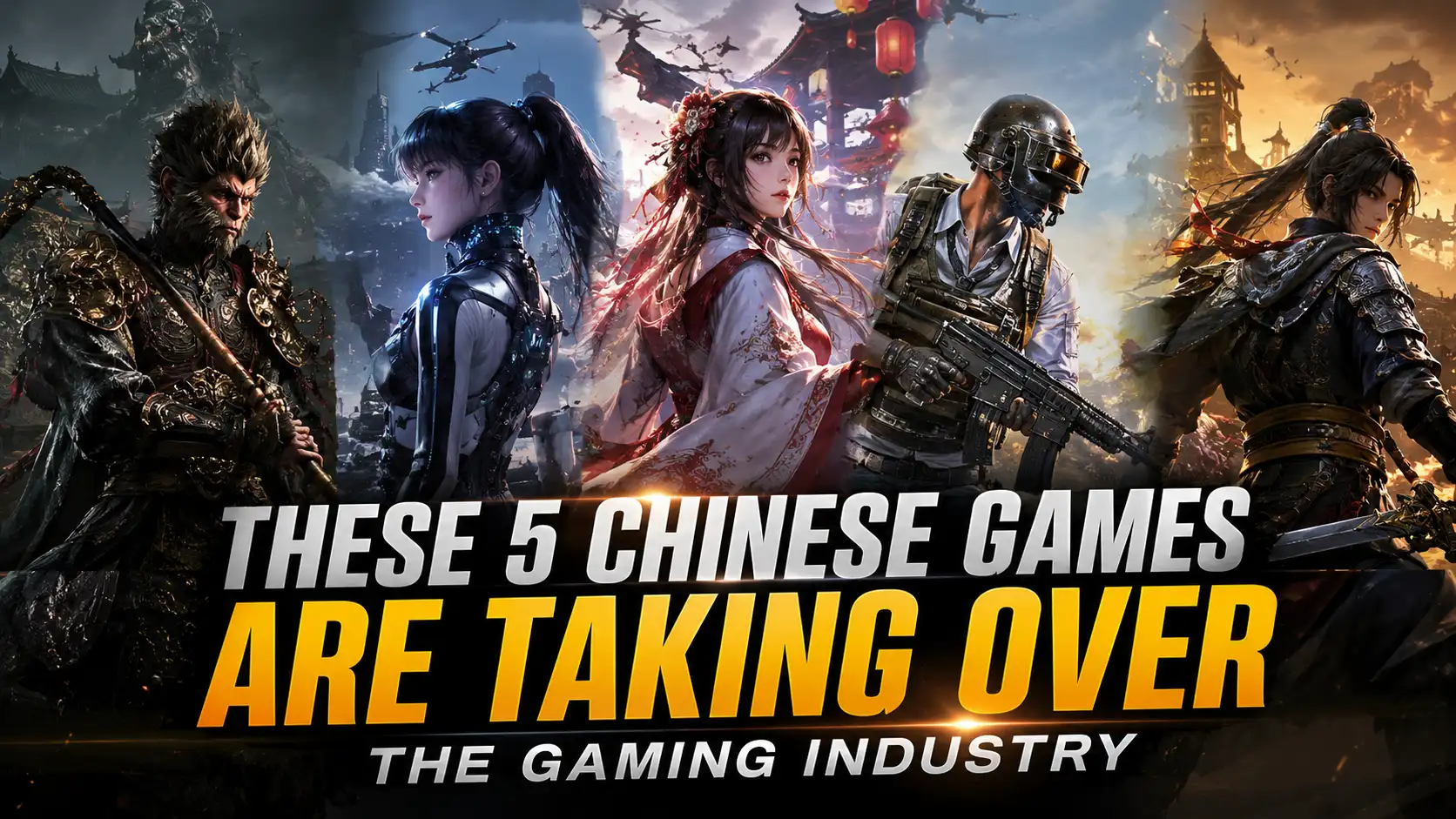
Not long ago, many gamers associated China primarily with mobile games and free-to-play titles. Fast forward to today, and that perception has changed dramatically. Chinese game developers are now producing visually stunning, technically advanced, and globally successful games that compete directly with the biggest releases from Japan, North America, and Europe. From breathtaking open worlds to competitive multiplayer experiences, these titles are reshaping what players expect from modern gaming.
The transformation did not happen overnight. Massive investments in technology, talented development teams, and long-term support have allowed Chinese studios to create games that appeal to millions of players across different platforms. Instead of focusing solely on domestic audiences, many developers now design their games with global markets in mind, offering multiple language options, simultaneous worldwide launches, and regular content updates that keep communities engaged for years.
Today, Chinese games are no longer viewed as alternatives to traditional AAA titles—they are becoming industry leaders in their own right. Whether you enjoy role-playing adventures, action-packed shooters, or cooperative multiplayer experiences, chances are you’ve already encountered at least one game developed by a Chinese studio. Here are five Chinese games that are making an enormous impact on the gaming industry and proving that China’s gaming scene has entered a completely new era.
What Makes Chinese Games So Successful?
Chinese games have earned worldwide attention because they combine ambitious development with player-focused design. Modern Chinese studios invest heavily in cutting-edge graphics, cinematic storytelling, orchestral soundtracks, and live-service content that keeps players coming back. Rather than releasing a finished product and moving on, many developers continuously improve their games through seasonal events, new characters, fresh maps, and major gameplay expansions. This long-term commitment helps build loyal communities that stay active for years instead of months.
Another important factor is accessibility. Many of today’s biggest Chinese games launch simultaneously on PC, consoles, and mobile devices, allowing friends to play together regardless of their preferred platform. Combined with free-to-play business models, generous updates, and polished gameplay, these games reach audiences that traditional premium releases sometimes struggle to capture.
The Rise of China’s Gaming Industry
China’s gaming industry has evolved from producing primarily domestic titles into becoming one of the most influential forces in global entertainment. Major studios now employ thousands of artists, programmers, writers, musicians, and designers who work together on projects with budgets comparable to blockbuster Hollywood productions. These companies are no longer following industry trends—they are helping create them.
The success of Chinese developers has also encouraged greater competition across the gaming industry. Japanese, Korean, European, and American studios are responding by improving live-service support, investing more in cross-platform technology, and delivering richer post-launch content. In many ways, the rapid growth of Chinese gaming benefits players everywhere because it pushes the entire industry to raise its standards.
Top 5 Chinese Games Taking Over the Gaming Industry
1. Genshin Impact
A Global Phenomenon That Changed Free-to-Play Gaming
When Genshin Impact launched, many players expected another typical free-to-play RPG. Instead, it surprised the gaming world with an enormous open world, breathtaking anime-inspired visuals, and an exploration system that rewarded curiosity at every turn. Mountains could be climbed, hidden caves concealed valuable treasures, and every region introduced fresh cultures, characters, and mysteries. Rather than limiting players with aggressive monetization, the game encouraged exploration first, allowing its world to become the main attraction.
The game’s ongoing success comes from its consistent stream of high-quality updates. New regions, compelling story chapters, memorable characters, and seasonal events arrive regularly, keeping both newcomers and veteran players invested. Its cross-platform compatibility between PC, PlayStation, mobile devices, and cloud gaming has further expanded its reach, making Genshin Impact one of the most recognizable games in the world regardless of platform preference.
Why Players Keep Coming Back
Unlike many live-service games that rely heavily on competitive progression, Genshin Impact gives players the freedom to enjoy the experience at their own pace. Some spend hours uncovering secrets hidden across its vast landscapes, while others focus on collecting characters, experimenting with elemental combat combinations, or following the ever-expanding storyline. This flexibility allows different playstyles to coexist without forcing players into a single routine.
The game’s polished presentation also sets it apart. Every major update introduces beautifully designed environments, professionally voiced cutscenes, cinematic music, and carefully crafted character animations. These details create an experience that often feels closer to a premium AAA adventure than a traditional free-to-play title, helping redefine expectations for the entire genre.
2. Honkai: Star Rail
A Fresh Take on Turn-Based RPGs
At a time when action games dominate the market, Honkai: Star Rail proved that turn-based combat could still capture a massive global audience. Instead of relying on outdated mechanics, the game modernizes classic RPG systems with dynamic camera angles, flashy animations, strategic team building, and cinematic boss encounters. Every battle feels fast, exciting, and visually satisfying despite following turn-based rules.
Beyond combat, the game shines through its science-fiction universe filled with diverse planets, memorable companions, and intriguing mysteries. Each destination introduces unique civilizations, environmental storytelling, and carefully written quests that encourage players to explore rather than simply rush toward objectives. This combination of strategic gameplay and engaging world-building has attracted both longtime RPG fans and newcomers alike.
What Makes It Stand Out
One of the biggest strengths of Honkai: Star Rail is its character design. Every playable hero has a distinct personality, combat role, voice acting, and visual identity, making team-building feel meaningful rather than repetitive. Players often develop favorites not only because of their abilities but also because of their stories and interactions throughout the game’s narrative.
The developers also maintain a rapid update schedule that consistently introduces new story chapters, limited-time events, characters, and gameplay systems. This steady flow of content keeps the community engaged while ensuring the game continues evolving instead of becoming stagnant. As a result, Honkai: Star Rail remains one of the strongest examples of how modern turn-based RPGs can thrive in today’s competitive gaming landscape.
For more game recommendations, check out 8 Work Simulation Games That Make You Feel Like a Real Employee.
3. Black Myth: Wukong
Bringing Chinese Mythology to the Global Stage
Black Myth: Wukong quickly became one of the most anticipated games in the world long before its official release. Inspired by the legendary Chinese novel Journey to the West, the game introduces players to a dark fantasy interpretation of the Monkey King’s tale, blending rich mythology with cutting-edge technology. From the very first gameplay reveal, audiences were captivated by its realistic environments, fluid combat animations, and cinematic presentation that rivaled the biggest AAA action games.
The game does far more than showcase impressive graphics. It highlights centuries of Chinese folklore through breathtaking temples, mysterious forests, mythical creatures, and ancient legends that many international players had never experienced before. Instead of borrowing heavily from Western fantasy settings, Black Myth: Wukong confidently embraces its cultural roots while presenting them in a way that feels accessible to players worldwide. This fresh perspective has helped the game stand out in a crowded market filled with familiar medieval kingdoms and post-apocalyptic worlds.
A New Benchmark for Action RPGs
Combat in Black Myth: Wukong emphasizes precision, timing, and adaptability. Players can transform into different creatures, wield magical abilities, and combine various combat techniques to overcome increasingly difficult enemies. Every encounter demands observation and patience, rewarding players who learn enemy attack patterns rather than relying solely on raw damage output.
Equally impressive is the game’s technical achievement. Advanced lighting, detailed character models, lifelike facial animations, and realistic environmental effects create an immersive experience that consistently demonstrates how far Chinese game development has progressed. Many industry analysts consider Black Myth: Wukong a landmark release because it proves Chinese studios are fully capable of producing globally competitive AAA games without sacrificing their unique cultural identity.
4. Delta Force
Reviving a Legendary Tactical Shooter
The return of Delta Force surprised longtime fans of military shooters. Rather than simply recreating the classic series, the new version modernizes nearly every aspect of the franchise with high-quality graphics, large-scale multiplayer battles, realistic weapon handling, and diverse gameplay modes. Developed by a Chinese studio, the game aims to deliver tactical combat while remaining accessible to newcomers who may have never played the original titles.
Large battlefields, destructible environments, military vehicles, and objective-based missions create an experience that feels both strategic and chaotic. Players must coordinate with teammates, adapt to changing battlefield conditions, and carefully manage positioning instead of relying purely on fast reflexes. This emphasis on teamwork has helped distinguish the game from many arcade-style shooters currently dominating the market.
Competitive Without Losing Accessibility
One of the reasons Delta Force has attracted such a large audience is its balance between realism and enjoyable gameplay. Weapons feel authentic without becoming overly complicated, allowing beginners to quickly understand the basics while still providing enough depth for experienced players to master advanced tactics. This careful balance broadens the game’s appeal across different skill levels.
The developers also continue supporting the game with new maps, operators, seasonal events, and gameplay improvements based on community feedback. Frequent updates keep the multiplayer experience fresh while demonstrating a commitment to long-term development. As live-service shooters continue evolving, Delta Force has positioned itself as one of the strongest new competitors in the genre.
5. Marvel Rivals
A Hero Shooter With Massive Global Appeal
Although it features internationally recognized Marvel superheroes, Marvel Rivals represents another major success story for Chinese game development. The game combines fast-paced team-based combat with unique hero abilities, allowing players to control iconic characters in exciting multiplayer battles. Rather than focusing solely on individual performance, success often depends on combining heroes whose powers complement one another, encouraging communication and strategic teamwork.
Its colorful visual style, responsive controls, and dynamic maps make every match feel energetic from beginning to end. Familiar faces like Spider-Man, Iron Man, Hulk, Doctor Strange, and many other Marvel characters are recreated with impressive attention to detail while introducing fresh gameplay mechanics that distinguish the title from other hero shooters.
Built for Long-Term Success
The biggest strength of Marvel Rivals lies in its constantly expanding roster. New heroes, villains, battlefields, game modes, and seasonal content provide players with fresh experiences on a regular basis, preventing the gameplay from becoming repetitive. Each new character introduces different strategies that reshape the competitive meta and encourage experimentation.
Cross-platform support, optimized performance, and a free-to-play model further increase accessibility for players around the world. Combined with the popularity of the Marvel universe, these features have helped Marvel Rivals rapidly build a large international player base while reinforcing China’s growing influence in the competitive multiplayer gaming market.
Why These Games Are Dominating Worldwide
AAA-Level Production Quality
One of the biggest reasons Chinese games have become global successes is their extraordinary production quality. Modern Chinese studios invest heavily in advanced graphics technology, motion capture, professional voice acting, cinematic storytelling, and orchestral soundtracks. The result is an experience that often rivals—or even surpasses—many traditional AAA games developed in North America, Europe, and Japan.
Free-to-Play Done Right
Many Chinese developers have refined the free-to-play model by offering complete gameplay experiences without requiring an upfront purchase. While optional in-game purchases remain available, players can often enjoy hundreds of hours of content without spending money. This lower barrier to entry allows these games to attract millions of players shortly after launch while maintaining active communities through regular updates rather than annual sequels.
Strong Global Communities
Successful games thrive because of their communities, and Chinese developers understand this better than ever. Official Discord servers, Reddit discussions, livestreams, esports tournaments, fan art, cosplay events, and creator programs all contribute to keeping players connected long after they finish the main story or reach the highest level. These thriving communities generate excitement with every update, creating a cycle where existing players remain engaged while new players are encouraged to join.
Developers also maintain close communication with their audiences through developer livestreams, patch notes, surveys, and social media announcements. By listening to player feedback and responding with meaningful improvements, Chinese studios have built trust among millions of gamers worldwide. This ongoing dialogue transforms players from casual consumers into passionate fans who eagerly anticipate every new expansion and seasonal event.
Continuous Content Updates
Unlike traditional games that may receive only a handful of updates after launch, many successful Chinese titles operate as long-term live-service experiences. Developers regularly introduce new story chapters, playable characters, limited-time events, maps, weapons, quality-of-life improvements, and seasonal rewards. This steady stream of fresh content gives players compelling reasons to return instead of moving on to another game after completing the main campaign.
Regular updates also help maintain balance and extend a game’s lifespan. Bugs are fixed quickly, gameplay systems evolve based on community feedback, and developers continue experimenting with new mechanics that keep the experience exciting. This commitment to long-term support has become one of the defining characteristics of China’s most successful games and is a major reason they remain among the most-played titles year after year.
What This Means for the Future of Gaming
The rise of Chinese games represents more than just the success of a few popular titles—it reflects a significant shift in the global gaming landscape. For many years, the biggest industry trends were largely driven by studios in Japan, North America, and Europe. Today, Chinese developers are contributing just as much innovation, introducing fresh ideas, advanced technology, and culturally rich storytelling that appeals to audiences across the globe. Their success demonstrates that world-class games can come from anywhere when developers combine creativity with technical excellence.
Competition from Chinese studios is also pushing the entire gaming industry forward. Other developers are investing more heavily in graphics, expanding cross-platform support, improving live-service features, and delivering larger content updates to meet rising player expectations. As a result, gamers benefit from better-quality releases, more diverse experiences, and stronger post-launch support. Healthy competition ultimately raises the standard for everyone involved.
Another important trend is the growing appreciation for Chinese culture within mainstream gaming. Games inspired by Chinese mythology, history, martial arts, and folklore are introducing millions of players to stories they might never have encountered otherwise. Rather than relying solely on familiar Western fantasy settings, developers are bringing unique traditions and legends into the spotlight, enriching the variety of stories available in modern gaming.
Looking ahead, China’s influence is likely to continue expanding. With increasing investment in artificial intelligence, cloud gaming, advanced game engines, virtual reality, and global publishing, Chinese studios are well-positioned to shape the next generation of interactive entertainment. Future releases will likely become even more ambitious, further blurring the line between blockbuster films and immersive video games.
Conclusion
Chinese developers have proven that they are no longer simply participants in the global gaming industry—they are becoming some of its most influential innovators. Games like Genshin Impact, Honkai: Star Rail, Black Myth: Wukong, Delta Force, and Marvel Rivals showcase an impressive combination of technical excellence, creative world-building, engaging gameplay, and long-term community support. Each title has contributed to changing perceptions of what Chinese studios can achieve on the international stage.
As technology continues to evolve and competition grows stronger, players can expect even more groundbreaking games from China in the coming years. Whether you’re a fan of open-world adventures, tactical shooters, action RPGs, or competitive multiplayer games, these five titles demonstrate that some of the industry’s most exciting innovations are coming from Chinese developers. If this trend continues, the future of gaming will become even more diverse, more competitive, and ultimately more exciting for players everywhere.
FAQs
1. Why are Chinese games becoming so popular worldwide?
Chinese games have gained worldwide popularity because they combine high-quality graphics, engaging gameplay, continuous updates, cross-platform availability, and accessible free-to-play models. Many studios also invest heavily in storytelling and community engagement, helping their games remain relevant for years after launch.
2. Are Chinese games only available on mobile devices?
No. While China is known for successful mobile games, many modern Chinese titles are available on PC, PlayStation, Xbox, and other gaming platforms. Games like Black Myth: Wukong, Delta Force, and Marvel Rivals demonstrate that Chinese developers are producing high-quality experiences across multiple platforms.
3. Which Chinese game has had the biggest global impact?
Genshin Impact is widely considered one of the most influential Chinese games due to its massive worldwide player base, consistent updates, impressive revenue, and role in redefining expectations for free-to-play open-world RPGs.
4. Do Chinese developers continue supporting their games after release?
Yes. One of the biggest strengths of leading Chinese studios is their commitment to long-term support. Many games receive frequent updates that include new content, gameplay improvements, bug fixes, seasonal events, and community-requested features.
5. Will more Chinese AAA games be released in the future?
Very likely. Chinese developers are investing heavily in advanced technology, larger development teams, and global publishing strategies. As a result, players can expect more ambitious AAA games that compete directly with the biggest releases from established studios around the world.