

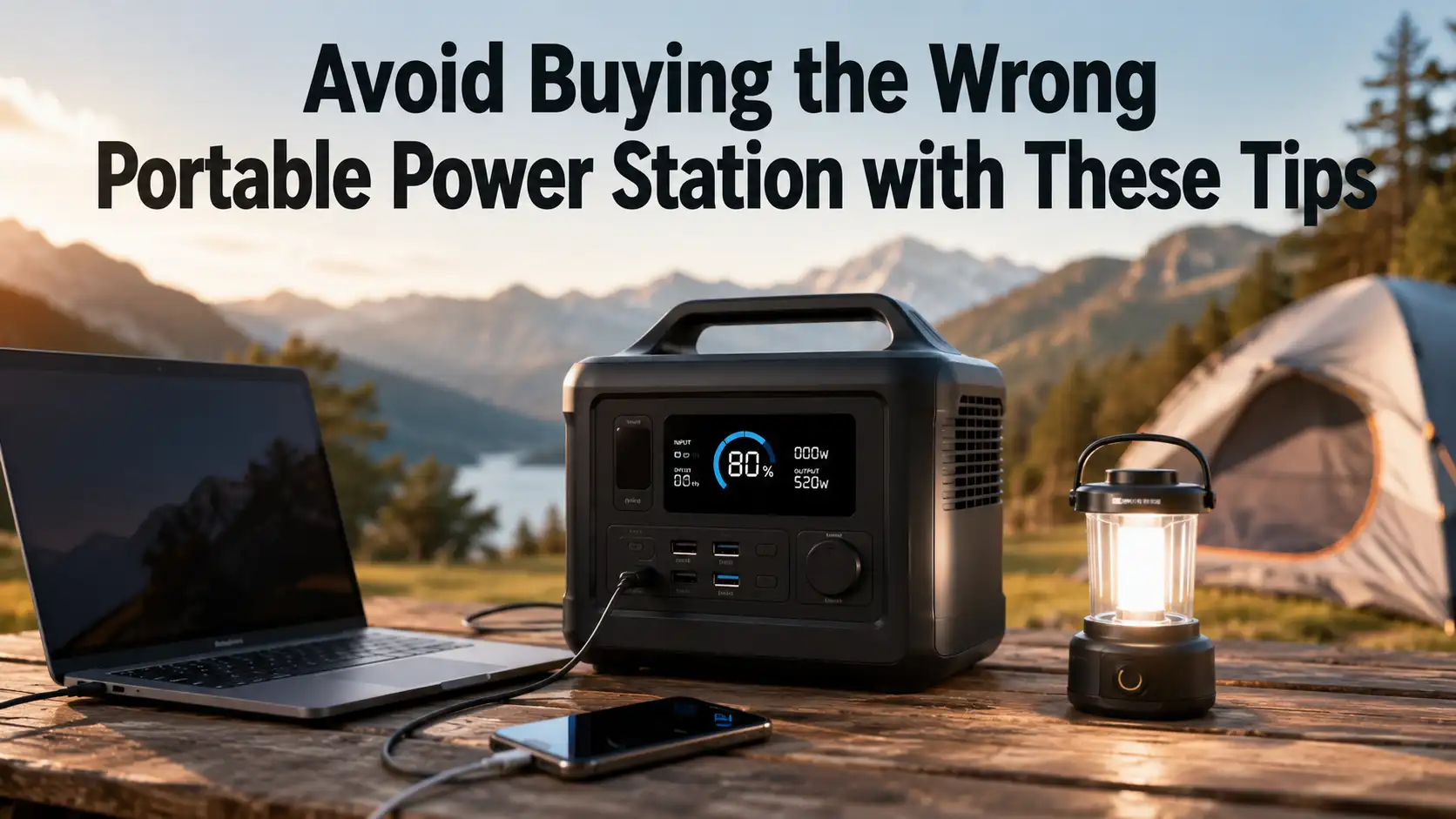
Buying a portable power station may seem straightforward at first, but the moment you begin comparing different models, the decision becomes much more complicated. Every manufacturer highlights impressive numbers, from massive battery capacities and ultra-fast charging to high-powered AC outputs and advanced battery technology. While these specifications sound attractive, they don’t necessarily mean a product is the right fit for your needs. Without understanding what these features actually do, you could end up paying for capabilities you’ll never use or, even worse, buying a power station that can’t handle your essential devices.
The ideal portable power station isn’t simply the one with the highest price tag or the largest battery. Instead, it’s the one that matches your lifestyle, whether you’re preparing for unexpected power outages, working remotely, camping in the wilderness, traveling in an RV, or simply looking for a dependable backup for your home electronics. A well-chosen power station provides convenience, reliability, and peace of mind, while the wrong one can leave you frustrated when you need it most.
This guide explains everything you should know before making your purchase. Rather than overwhelming you with technical jargon, we’ll break down the most important features in an easy-to-understand way. You’ll also learn about common buying mistakes, practical shopping tips, and the key specifications that truly matter. By the end, you’ll have the confidence to choose a portable power station that suits both your budget and your daily needs.
Why Choosing the Right Portable Power Station Matters
Many buyers assume that all portable power stations perform similarly because they often look nearly identical from the outside. However, appearances can be deceiving. Two models with similar designs may have completely different battery capacities, inverter performance, charging speeds, safety systems, and battery lifespans. These differences directly affect how useful the device will be in real-world situations.
Choosing the wrong portable power station can lead to unnecessary expenses and disappointment. A unit with insufficient power may fail to run important appliances during an emergency, while an oversized model may cost significantly more and weigh far more than necessary. Taking the time to understand your actual power requirements ensures that your investment delivers value instead of regret.
Common Mistakes Buyers Make
One of the most common mistakes is choosing the cheapest option without looking beyond the price tag. Budget models often sacrifice important features such as battery longevity, charging speed, inverter quality, or built-in safety protections. While saving money upfront can be tempting, a lower-quality power station may need replacement much sooner, making it more expensive in the long run.
Another frequent mistake is paying attention only to battery capacity while ignoring other essential specifications. A large battery doesn’t automatically mean the power station can run high-wattage appliances. Likewise, some buyers overlook charging options, portability, or available ports, only realizing these limitations after bringing the unit home. Evaluating the complete package is always a smarter approach than focusing on a single specification.
Key Factors to Consider Before Buying
Before comparing brands or prices, it’s important to understand the core specifications that determine a portable power station’s performance. Capacity, output power, battery chemistry, charging methods, portability, safety features, and available ports all play an important role in deciding whether a particular model fits your needs.
Instead of asking which portable power station is the most powerful, ask yourself how you plan to use it. Someone who only needs emergency backup for a Wi-Fi router and smartphone requires a completely different solution than someone powering a mini refrigerator during weekend camping trips. Identifying your intended use first makes the buying process much simpler and helps eliminate unnecessary options.
Understand Battery Capacity (Wh)
Battery capacity is measured in watt-hours (Wh), and it’s one of the first numbers you’ll notice when comparing portable power stations. Think of watt-hours as the size of a fuel tank. The larger the capacity, the more electrical energy the battery can store before it needs to be recharged. This specification largely determines how long your devices can operate.
Smaller portable power stations with capacities around 250Wh to 500Wh are excellent for charging smartphones, tablets, cameras, drones, and laptops. Mid-range models between 700Wh and 1,200Wh are better suited for powering CPAP machines, televisions, portable refrigerators, and other household electronics during outages. If you plan to run multiple appliances or require backup power for an entire day, larger units above 1,500Wh may be the better choice.
Estimate Your Daily Energy Needs
Before deciding on battery size, calculate approximately how much electricity your devices consume each day. Multiply each device’s power consumption in watts by the number of hours you expect to use it. This simple calculation provides a realistic estimate of the battery capacity you’ll actually need instead of relying on guesswork.
For example, a laptop consuming 60 watts for five hours requires roughly 300Wh of energy. Add smartphone charging, lighting, a Wi-Fi router, and a portable fan, and your daily energy needs can quickly exceed 500Wh. Understanding your usage habits helps prevent buying a battery that’s either too small or unnecessarily large.
Check the Output Power (Watts)
While battery capacity determines how long a portable power station lasts, output power determines what it can actually operate. Output power, measured in watts, represents the maximum amount of electricity the inverter can continuously deliver. If your appliance requires more power than the inverter can provide, it simply won’t function regardless of how much battery remains.
This is why it’s important to compare the wattage requirements of your appliances with the continuous output rating of the power station. High-capacity batteries paired with low-powered inverters can create misleading expectations, making this one of the most overlooked specifications during the buying process.
Continuous Power vs Surge Power
Some electrical devices require extra power when they first start. Appliances like refrigerators, power tools, water pumps, and certain kitchen equipment may briefly consume much more electricity during startup than they do while running normally. This temporary increase is known as surge power.
Continuous power refers to the amount of electricity the portable power station can safely provide over long periods, while surge power is only available for a few seconds. Always check both ratings if you plan to operate appliances with electric motors or compressors, as ignoring surge requirements can prevent them from starting altogether.
Choose the Right Battery Type
The battery technology inside a portable power station affects much more than just runtime. It influences charging speed, overall lifespan, safety, maintenance, and long-term reliability. Today, most portable power stations use either traditional lithium-ion batteries or lithium iron phosphate (LiFePO₄) batteries, each offering its own strengths.
Lithium-ion batteries are generally lighter and more compact, making them a popular choice for travelers who prioritize portability. LiFePO₄ batteries, however, have become increasingly popular because they typically last much longer, tolerate significantly more charging cycles, and offer greater thermal stability. Although these batteries usually increase the overall weight slightly, they often provide better long-term value.
LiFePO₄ vs Traditional Lithium-Ion
If you expect to use your portable power station frequently, a LiFePO₄ battery is often the smarter investment. Many models using this battery chemistry can handle several thousand charge cycles before experiencing noticeable degradation, making them ideal for regular camping, RV adventures, outdoor work, and emergency preparedness.
Traditional lithium-ion batteries remain an excellent option for occasional users who prioritize lighter weight and lower upfront costs. If your portable power station will mainly serve as an emergency backup that spends most of its time stored away, the shorter cycle life may never become a significant concern.
Look at Available Ports
A portable power station becomes far more useful when it supports a wide variety of devices. Most modern models include a combination of AC outlets, USB-A ports, USB-C Power Delivery ports, DC outputs, and sometimes wireless charging pads. Having multiple connection options allows you to recharge several devices simultaneously without carrying numerous adapters.
Before making a purchase, think carefully about the devices you plan to power. Content creators may prioritize fast USB-C charging for laptops and cameras, campers often rely on DC outputs for portable refrigerators, while homeowners usually benefit from multiple AC outlets to keep routers, lighting, and essential appliances running during power outages. Choosing the right selection of ports ensures your portable power station remains practical for years to come.
Consider the Charging Methods
Charging speed is often overlooked until the first time you need to refill an empty battery. Some portable power stations can recharge in less than two hours, while others may require eight hours or more. If you frequently travel, camp, or rely on your power station during emergencies, waiting an entire day for a recharge can become frustrating. A faster charging system allows you to get back up and running much sooner.
Fortunately, many modern portable power stations support multiple charging methods instead of relying on a single power source. This flexibility makes them much more useful in different situations, whether you’re at home, on the road, or completely off the grid. Before buying, check which charging options are included and whether they match your lifestyle.
AC Wall Charging
Wall charging is the fastest and most convenient method for most users. Simply plug the power station into a household outlet, and it begins recharging automatically. Premium models now feature fast-charging technology that can restore the battery to around 80% in roughly an hour, making them ideal for emergency preparedness.
However, charging speeds vary widely between brands. Two power stations with the same battery capacity may have completely different recharge times, so don’t assume they all perform equally. Always compare the manufacturer’s charging specifications before making a purchase.
Solar Charging
Solar charging is an excellent option for campers, RV owners, and anyone who spends extended periods outdoors. Instead of depending on grid electricity, compatible solar panels allow the portable power station to recharge using sunlight, making it a practical solution for off-grid adventures.
Keep in mind that solar charging performance depends on weather conditions, panel size, and sunlight intensity. Cloudy skies and shaded locations can significantly slow charging speeds, so it’s best viewed as a supplement rather than a guaranteed replacement for wall charging.
Car Charging
Most portable power stations can also recharge through a vehicle’s 12V outlet while you’re driving. This feature is especially useful during road trips because it allows the battery to recover energy without stopping at a power outlet.
Car charging is usually slower than wall charging, but it’s an excellent backup option when traveling long distances. If road trips are part of your routine, having this capability can make your portable power station much more versatile.
Think About Portability and Weight
A portable power station isn’t truly portable if it’s too heavy to carry comfortably. Battery capacity and weight usually go hand in hand. Larger batteries provide longer runtimes but also increase the overall size and weight of the unit. Before buying, think realistically about how often you’ll need to move it.
If you’re mainly using the power station around the house during outages, a heavier model may not be a problem. On the other hand, campers, hikers, photographers, and travelers often benefit from lighter units that are easier to transport. Finding the right balance between battery capacity and portability is one of the smartest decisions you can make.
Don’t Buy Bigger Than Necessary
Many buyers believe that purchasing the largest available battery is the safest option. While having extra capacity sounds appealing, oversized power stations can become inconvenient due to their weight, storage requirements, and higher cost.
Instead of automatically choosing the biggest model, focus on your actual energy needs. A compact power station that’s easy to carry and meets all your daily requirements often provides a much better overall experience than a massive unit that’s difficult to transport.
Pay Attention to Safety Features
Safety should never be treated as an optional feature. Portable power stations contain high-capacity batteries capable of storing significant amounts of energy, so built-in protection systems are essential for safe operation. A high-quality unit should include safeguards against overcharging, over-discharging, overheating, short circuits, and excessive current.
Reliable manufacturers also integrate intelligent battery management systems, commonly known as BMS, that constantly monitor battery health and operating conditions. These systems automatically adjust charging and discharging to maximize both safety and battery lifespan, reducing the risk of damage during everyday use.
Battery Management System (BMS)
The Battery Management System acts as the brain of the portable power station. It monitors temperature, voltage, current flow, and battery balance to ensure every cell operates safely and efficiently.
Without a well-designed BMS, even premium battery cells can wear out more quickly or become vulnerable to overheating. Choosing a power station with a sophisticated battery management system offers greater peace of mind, especially if you plan to use it regularly.
Look for Reliable Certifications
Safety certifications indicate that a product has undergone testing to meet recognized electrical and battery safety standards. While certifications vary by region, reputable manufacturers usually provide clear information about compliance with relevant testing requirements.
Although certifications shouldn’t be the only factor influencing your decision, they do provide additional confidence that the product has been designed and tested according to established safety practices.
Check Whether the Battery Is Expandable
Some premium portable power stations allow users to connect additional battery packs, increasing the overall storage capacity without replacing the main unit. This feature is particularly useful for homeowners who anticipate growing energy needs or campers planning longer off-grid trips.
Expandable systems also offer better long-term value because you can start with a smaller investment and increase capacity later if your requirements change. Instead of replacing your entire power station, you simply add compatible expansion batteries when needed.
Who Actually Needs Expansion Batteries?
Expansion batteries aren’t necessary for everyone. If your primary goal is charging phones, laptops, cameras, or small appliances during occasional outages, a standard portable power station will usually be sufficient.
However, users who rely on portable refrigerators, medical equipment, power tools, or extended off-grid living may benefit significantly from expandable battery systems. Evaluating your future needs before purchasing can save money and prevent unnecessary upgrades later.
You can also improve your home setup with 7 Smart Plugs That Make Remote Device Control Effortless, especially if you want easier control over everyday devices.
Choose the Right Portable Power Station for Your Needs
There’s no such thing as the perfect portable power station for everyone. The best model depends entirely on how and where you plan to use it. Matching the product to your lifestyle is far more important than chasing the highest specifications.
Instead of comparing dozens of models based solely on numbers, narrow your options according to your intended applications. This approach simplifies the buying process and increases the chances of finding a power station you’ll actually enjoy using.
For Home Emergency Backup
If your main concern is unexpected blackouts, prioritize larger battery capacity, multiple AC outlets, and reliable battery chemistry. These features help keep essential household devices such as Wi-Fi routers, LED lights, televisions, laptops, and medical equipment operating when the power goes out.
Fast wall charging is also valuable because it ensures the battery is ready again soon after electricity returns.
For Camping and Outdoor Adventures
Outdoor enthusiasts generally benefit from lightweight designs, solar charging compatibility, durable construction, and a balanced battery capacity. A portable power station should be easy to transport while providing enough energy for lighting, portable refrigerators, cooking equipment, cameras, and communication devices.
Weather-resistant construction and comfortable carrying handles are additional features worth considering if you’ll frequently use the unit outdoors.
For Remote Work and Digital Creators
Professionals working away from traditional power outlets often require fast USB-C charging, multiple output ports, quiet operation, and dependable battery life. Content creators may also need enough AC power for monitors, drones, camera batteries, and editing laptops.
A portable power station that supports simultaneous charging of multiple devices can significantly improve productivity during travel or outdoor work sessions.
Things You Should Avoid When Shopping
Marketing claims can sometimes make every portable power station appear revolutionary, but flashy advertisements don’t always reflect real-world performance. Avoid making purchasing decisions based purely on promotional language, unrealistic runtime estimates, or oversized capacity claims without verifying the detailed specifications.
It’s also wise to avoid unfamiliar brands that provide little information about warranty coverage, customer support, or replacement parts. Spending slightly more on a trusted manufacturer often results in better reliability, longer battery life, and a more satisfying ownership experience over the years.
Maintain Your Portable Power Station Properly
Buying the right portable power station is only half the equation. Proper maintenance plays a major role in keeping the battery healthy and ensuring the unit performs reliably for years. Fortunately, maintaining a portable power station doesn’t require much effort, but following a few simple habits can significantly extend its lifespan.
Most manufacturers recommend storing the battery with a partial charge rather than leaving it completely full or completely empty for extended periods. It’s also a good idea to recharge the battery every few months if the power station isn’t being used regularly. This helps prevent deep discharge and keeps the battery cells in good condition.
Store It in the Right Environment
Heat is one of the biggest enemies of rechargeable batteries. Leaving a portable power station inside a hot car, near a heater, or under direct sunlight for long periods can reduce battery performance and shorten its overall lifespan.
Instead, store the unit in a cool, dry place with moderate temperatures. Keeping it away from excessive moisture and dust also helps protect the internal electronics from unnecessary wear.
Keep the Firmware Updated
Some modern portable power stations include companion smartphone apps that allow users to monitor battery status and install firmware updates. These updates may improve charging efficiency, add new features, fix software bugs, or optimize battery management.
If your portable power station supports firmware updates, checking for new versions periodically is a simple way to keep the device running at its best.
How to Make Your Portable Power Station Last Longer
A quality portable power station is an investment, and like any investment, it deserves proper care. Avoid draining the battery to zero whenever possible, as repeated deep discharges can gradually reduce battery capacity over time. Likewise, constantly charging the battery to 100% and leaving it plugged in for weeks may also contribute to unnecessary battery stress, depending on the battery chemistry.
Using the power station within its rated limits is equally important. Running appliances that exceed the inverter’s continuous output can trigger overload protection or potentially shorten the lifespan of internal components. Choosing appliances that match the unit’s capabilities helps ensure consistent performance and long-term reliability.
Use High-Quality Charging Accessories
Whenever possible, use the charging cables and adapters supplied by the manufacturer or certified replacements from reputable brands. Low-quality accessories may deliver unstable power, charge more slowly, or increase the risk of electrical issues.
This recommendation also applies to solar panels. If you’re investing in solar charging, make sure the panels are compatible with your portable power station and capable of delivering the appropriate voltage and current.
Inspect Your Power Station Regularly
Although portable power stations require very little maintenance, it’s still worth inspecting them occasionally. Check the charging ports for dust, ensure cooling vents remain unobstructed, and examine cables for signs of wear or damage.
A quick inspection every few months can help identify small problems before they become larger ones, allowing your power station to remain dependable whenever you need it.
Conclusion
Choosing the right portable power station isn’t about buying the largest battery or the most expensive model on the market. It’s about understanding your own power needs and selecting a unit that delivers the right combination of capacity, output power, battery technology, charging options, portability, and safety features. Taking a little extra time to compare specifications today can prevent costly mistakes and disappointment later.
Whether you’re preparing for emergencies, planning weekend camping trips, traveling in an RV, or building a reliable backup power solution for your home office, the right portable power station can become one of the most valuable devices you own. By focusing on practical features instead of marketing hype and following the maintenance tips outlined in this guide, you’ll enjoy dependable portable power for many years to come.
FAQs
1. What size portable power station do I need?
The ideal size depends on the devices you plan to power. Small models around 300Wh are suitable for smartphones, tablets, cameras, and laptops, while larger units above 1,000Wh are better for refrigerators, CPAP machines, televisions, and extended emergency backup.
2. Is a LiFePO₄ battery better than a lithium-ion battery?
For most users, yes. LiFePO₄ batteries generally last much longer, support significantly more charging cycles, and offer improved thermal stability. Traditional lithium-ion batteries remain a good choice for those who prioritize lighter weight and lower initial costs.
3. Can a portable power station run household appliances?
Yes, but only if the appliance’s power requirements stay within the power station’s continuous output rating. Always compare the appliance’s wattage with the inverter specifications before purchasing.
4. Are portable power stations safe to use indoors?
Yes. Unlike gasoline generators, portable power stations produce no exhaust fumes or carbon monoxide, making them safe for indoor use when operated according to the manufacturer’s instructions.
5. How long does a portable power station typically last?
The lifespan depends on battery chemistry, usage habits, and build quality. Many modern LiFePO₄ portable power stations can last several thousand charging cycles, allowing them to remain reliable for many years with proper maintenance.