
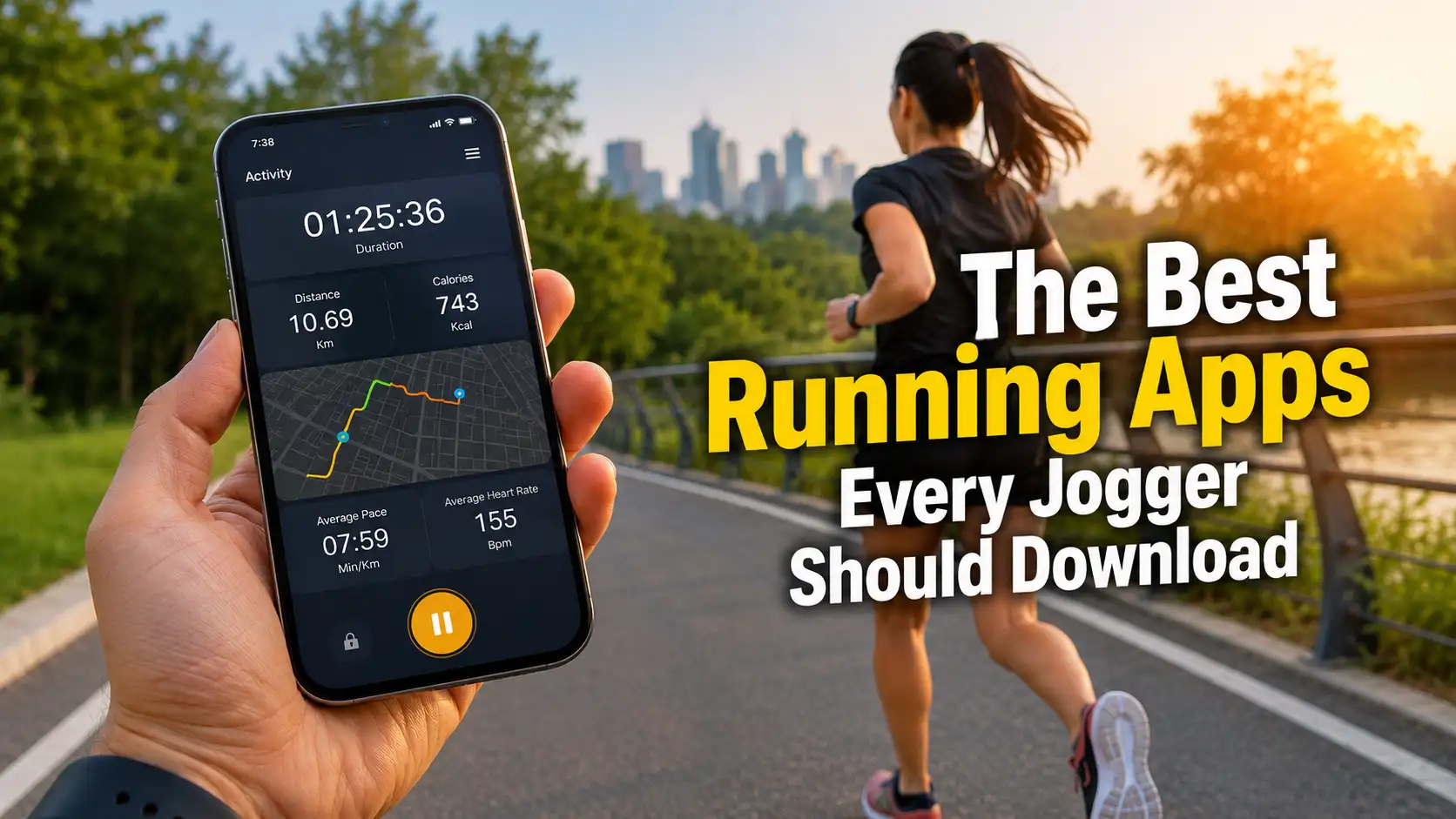
Running is one of those rare activities that almost anyone can start. You don’t need an expensive gym membership, fancy equipment, or years of experience before taking your first step. A comfortable pair of running shoes, a little determination, and a safe route are often enough to begin building a healthier lifestyle. Whether your goal is to improve cardiovascular health, lose weight, relieve stress after a long workday, or simply enjoy the outdoors, jogging offers benefits that few other exercises can match. It’s accessible, flexible, and easy to fit into even the busiest schedule.
What has changed dramatically over the past decade is the way people approach running. Instead of relying solely on a stopwatch or estimating distance based on landmarks, modern runners have access to powerful smartphone applications that act like personal coaches. These apps record nearly every aspect of your workout, from pace and distance to elevation, cadence, calories burned, and heart rate when paired with compatible devices. Many also provide personalized training schedules, motivational audio coaching, weekly challenges, achievement badges, and detailed performance reports that help runners understand their progress over time.
With hundreds of fitness apps available on both Android and iPhone, choosing the right one can quickly become confusing. Some apps are designed for complete beginners who need guidance and encouragement, while others focus on advanced analytics for marathon runners chasing personal records. There are also apps that make running feel like a game, helping users stay motivated through interactive missions and virtual competitions. In this guide, we’ll explore the best running apps every jogger should download, explain what makes each one stand out, and help you find the perfect companion for every mile you run.
Why Running Apps Have Become Essential
Running apps have evolved far beyond simple GPS trackers. Today, they serve as complete fitness companions that help runners build healthy habits, monitor long-term progress, and stay motivated even when enthusiasm begins to fade. Instead of wondering whether you’re improving, these apps provide measurable data that clearly shows how your endurance, speed, and consistency develop over weeks and months. That constant feedback transforms running from a casual activity into a structured journey where every workout contributes toward a larger goal.
Another reason running apps have become indispensable is their ability to keep people accountable. It’s surprisingly easy to skip a morning jog when nobody notices, but scheduled reminders, weekly goals, progress charts, and virtual challenges encourage runners to stay consistent. Many apps also include social communities where friends can celebrate achievements, leave encouraging comments, or compete on leaderboards. This combination of technology and community turns solo exercise into a shared experience that keeps motivation high throughout the year.
What Makes a Great Running App?
The best running app isn’t necessarily the one with the most features—it’s the one that matches your personal goals and running style. Beginners usually benefit from apps that provide guided coaching, easy-to-understand statistics, and gradual training plans that reduce the risk of injury. Experienced runners, on the other hand, often prioritize detailed analytics, advanced route planning, smartwatch compatibility, and customizable workouts. Understanding your own needs is the first step toward choosing an app that genuinely improves your running experience rather than complicating it.
Regardless of experience level, several core features separate outstanding running apps from average ones. Reliable GPS tracking, intuitive navigation, comprehensive workout summaries, personalized training plans, cloud synchronization, smartwatch support, and regular software updates all contribute to a better user experience. The best apps also present complex fitness data in a simple and visually appealing format, allowing runners to quickly understand their progress without feeling overwhelmed by technical information.
Key Features to Look For
GPS Accuracy
Accurate GPS tracking forms the backbone of every reliable running app. Even small errors in distance measurement can significantly affect pace calculations and long-term training statistics, making dependable location tracking one of the most important features to consider when choosing an app.
Training Plans
Personalized training plans help runners improve safely by balancing workout intensity with recovery days. Whether you’re preparing for your first 5K or training for a marathon, structured guidance removes uncertainty and provides a clear roadmap toward achieving your fitness goals.
Performance Analytics
Detailed performance analytics allow runners to evaluate every workout beyond simple distance and time. Metrics like average pace, cadence, elevation gain, heart rate, recovery trends, and weekly mileage help identify strengths, weaknesses, and opportunities for continuous improvement.
Motivation and Challenges
Many running apps include achievement badges, monthly competitions, streak counters, and community challenges that make exercise feel rewarding. These motivational tools encourage consistency and often provide the extra push needed to lace up your shoes on days when enthusiasm is low.
Smartwatch Compatibility
Modern runners frequently pair their smartphones with smartwatches or fitness bands. A good running app should synchronize seamlessly with wearable devices, allowing users to monitor workouts, receive notifications, and review health metrics without constantly reaching for their phones.
The Best Running Apps Every Jogger Should Download
Every runner has different priorities. Some prefer detailed performance analysis, while others simply want an app that keeps them motivated to run several times each week. Fortunately, today’s market offers excellent choices for every type of jogger, from complete beginners to seasoned marathon athletes. The following apps consistently stand out because they combine reliable tracking, useful training tools, intuitive interfaces, and long-term support that continues to improve with regular updates.
Rather than focusing solely on popularity, this list considers the overall experience each application delivers. Factors such as ease of use, GPS accuracy, coaching quality, community features, smartwatch integration, and value for money all play an important role. Whether you’re looking for a completely free app or a premium training platform with advanced analytics, you’ll find an option that matches both your goals and your budget.
1. Nike Run Club
Nike Run Club has earned its reputation as one of the world’s most trusted running apps by offering an impressive collection of premium-quality features completely free of charge. Unlike many competitors that hide advanced tools behind expensive subscriptions, Nike Run Club provides guided runs, adaptive training plans, detailed performance tracking, and motivational coaching without asking users to pay monthly fees. Its clean interface makes navigation simple for beginners, while experienced runners can still access enough performance data to monitor long-term progress effectively. The app feels polished, responsive, and welcoming regardless of your fitness level.
One of the application’s biggest strengths is its emphasis on coaching rather than statistics alone. Guided runs feature professional coaches, elite athletes, and sports psychologists who provide encouragement, breathing techniques, pacing advice, and mental strategies throughout each session. Instead of merely recording your workout, Nike Run Club actively helps improve your confidence, consistency, and enjoyment while running. The combination of practical coaching and detailed tracking makes every run feel purposeful, whether you’re jogging around your neighborhood or preparing for your next race.
Best Features
Nike Run Club offers guided audio coaching, adaptive training plans, accurate GPS tracking, personalized milestone celebrations, smartwatch support, achievement badges, community challenges, pace monitoring, indoor treadmill compatibility, and complete access without requiring a paid subscription.
Best For
Nike Run Club is best suited for beginners, recreational joggers, and intermediate runners who want professional coaching, structured guidance, and premium-quality features without paying for a subscription.
2. Strava
Strava has become much more than a running tracker—it has grown into one of the largest fitness communities in the world. Millions of runners, cyclists, hikers, and outdoor enthusiasts use the platform every day to record activities, share achievements, discover new routes, and encourage one another. The social aspect of Strava is what truly sets it apart from many competitors. Every completed workout can receive comments, kudos, and encouragement from friends, making even solo runs feel connected to a larger community. For many runners, this sense of accountability becomes one of the biggest reasons they continue training consistently.
Beyond its social features, Strava delivers powerful analytics that satisfy runners who enjoy examining detailed performance data. The famous Segments feature allows users to compete on specific portions of roads or trails, comparing times against themselves, friends, or local athletes. Route discovery tools, heat maps, elevation profiles, training logs, and performance trends provide valuable insights that help runners understand how their fitness evolves over time. Whether your goal is friendly competition or simply finding new places to run, Strava offers one of the richest running experiences available today.
Best Features
Strava includes detailed GPS tracking, community leaderboards, Segments, route discovery, performance analytics, training logs, global running clubs, wearable synchronization, monthly challenges, and support for multiple outdoor sports.
Best For
Strava is ideal for runners who enjoy social interaction, competitive challenges, discovering new running routes, and analyzing detailed performance statistics while staying connected with a worldwide fitness community.
3. Adidas Running
Adidas Running, formerly known as Runtastic, has become one of the most complete fitness platforms available for runners of all experience levels. While many people recognize it for its excellent GPS tracking, the app goes much further by combining running, walking, cycling, hiking, and even strength training into a single ecosystem. The interface is modern and intuitive, making it easy for users to review their workout history, set weekly goals, and monitor improvements without feeling overwhelmed by complicated statistics. Whether you’re running around your neighborhood or exploring mountain trails during a vacation, Adidas Running provides dependable tracking that consistently delivers accurate results.
Another strength of Adidas Running is its ability to adapt to different fitness goals. Some users simply want to stay active, while others are preparing for half marathons or full marathons. The app accommodates both groups by offering customizable training plans, motivational reminders, and detailed progress reports. Premium members gain access to advanced coaching programs, but even the free version offers more than enough functionality for casual joggers. Combined with its polished design and excellent reliability, Adidas Running remains one of the strongest alternatives to Nike Run Club and Strava.
Best Features
Adidas Running offers accurate GPS tracking, customizable training plans, route recording, shoe mileage tracking, personal goal setting, voice coaching, detailed workout history, smartwatch compatibility, and support for multiple outdoor activities within a single application.
Best For
Adidas Running is best for runners who want an all-in-one fitness platform that combines running, cross-training, long-term progress tracking, and personalized workout planning.
4. Runkeeper
Runkeeper has been helping runners achieve their fitness goals for many years, making it one of the most trusted names in the running community. Its biggest advantage lies in simplicity. Rather than overwhelming users with dozens of advanced settings, Runkeeper focuses on making workout tracking straightforward and enjoyable. New runners can begin recording activities within minutes, while experienced athletes still have access to enough performance data to monitor meaningful improvements. The clean layout also makes reviewing previous workouts quick and effortless, encouraging users to stay engaged with their long-term progress.
Beyond its user-friendly interface, Runkeeper excels at building consistency through personalized coaching and realistic goal setting. Users can establish weekly mileage targets, follow guided training plans, and receive motivational reminders that encourage regular exercise. Audio cues provide real-time updates on pace, distance, and elapsed time, allowing runners to stay informed without constantly checking their phones. These thoughtful features create a supportive experience that keeps runners focused on gradual improvement instead of immediate perfection.
Best Features
Runkeeper includes GPS route tracking, personalized coaching, audio progress updates, customizable fitness goals, race training plans, wearable integration, workout history, indoor running support, and simple performance summaries.
Best For
Runkeeper is perfect for beginners and intermediate runners who prefer an intuitive interface, consistent coaching, and practical features without unnecessary complexity.
5. MapMyRun
MapMyRun has built a strong reputation by giving runners exceptional flexibility when planning and analyzing workouts. One of its standout features is the enormous collection of community-created running routes, making it easy to discover safe and interesting paths whether you’re at home or traveling. Instead of repeating the same route every week, users can explore new neighborhoods, parks, and scenic trails with confidence. This variety keeps running fresh and reduces the boredom that sometimes causes people to lose motivation over time.
The application also provides comprehensive performance tracking that extends beyond basic pace and distance. Users can analyze cadence, heart rate, calorie expenditure, elevation changes, and split times while synchronizing data with numerous wearable devices. Premium subscribers unlock additional coaching tools and advanced analytics, but the free version already provides enough functionality for most recreational runners. With reliable tracking and excellent route planning capabilities, MapMyRun continues to be a favorite among runners who enjoy exploring new places.
Best Features
MapMyRun offers route planning, community route sharing, GPS tracking, detailed workout analytics, heart rate integration, cadence monitoring, personalized coaching, wearable compatibility, and extensive activity history.
Best For
MapMyRun is ideal for runners who enjoy discovering new running routes while monitoring detailed performance metrics during every workout.
6. Couch to 5K
Starting a running routine can feel intimidating, especially for people who have never exercised consistently before. Couch to 5K removes that intimidation by following a gradual program designed specifically for beginners. Instead of expecting users to run continuously from day one, the app alternates between walking and running intervals that slowly increase in difficulty over several weeks. This progressive approach helps build endurance while reducing the likelihood of injury, making the transition into regular running much more manageable.
Another reason Couch to 5K remains so popular is its psychological approach to motivation. Completing small milestones feels achievable, and every successful workout builds confidence for the next session. Rather than focusing on speed or competition, the app encourages users to celebrate consistency and gradual improvement. By the end of the program, many beginners who once struggled to jog for a single minute find themselves comfortably completing a full 5-kilometer run without stopping.
Best Features
Couch to 5K includes beginner-friendly training schedules, walk-run intervals, audio coaching, gradual progression, progress tracking, flexible workout scheduling, motivational reminders, and simple performance statistics.
Best For
Couch to 5K is best suited for complete beginners who want a structured and realistic introduction to running without feeling overwhelmed.
7. Zombies, Run!
Not every running app needs to focus exclusively on numbers and performance charts. Zombies, Run! proves that exercise can also be entertaining by transforming every workout into an immersive audio adventure. Instead of simply listening to music while jogging, users become characters in an unfolding story where they must complete missions, gather supplies, and occasionally outrun virtual zombies. The interactive narrative creates a sense of urgency and excitement that makes even routine runs feel like part of an action movie.
Despite its playful concept, Zombies, Run! still functions as a capable fitness tracker. Distance, pace, duration, and calorie estimates are recorded alongside each mission, allowing users to monitor their physical progress while enjoying the storyline. The app is especially effective for runners who struggle with motivation because the desire to discover what happens next often encourages users to complete one more run. It’s a refreshing reminder that fitness doesn’t always have to feel serious to be effective.
Best Features
Zombies, Run! combines immersive storytelling, interactive missions, GPS tracking, workout recording, customizable playlists, mission progression, achievement systems, and fitness statistics in a unique gaming experience.
Best For
Zombies, Run! is perfect for runners who enjoy storytelling, gamification, and creative ways to stay motivated during regular jogging sessions.
8. Garmin Connect
Garmin Connect is more than just a companion app for Garmin smartwatches—it serves as a powerful fitness management platform capable of analyzing nearly every aspect of your training. Runners who own Garmin devices benefit from incredibly detailed metrics, including recovery time, VO2 max estimates, training readiness, sleep quality, stress levels, heart rate variability, and advanced running dynamics. These insights help athletes make informed decisions about when to push harder and when to prioritize recovery, ultimately leading to smarter and more sustainable training.
Even beyond its impressive data collection, Garmin Connect excels at organizing long-term fitness history into easy-to-understand reports. Weekly summaries, monthly trends, personal records, and adaptive coaching recommendations allow runners to identify meaningful improvements over time. Integration with third-party fitness platforms further enhances its usefulness, making Garmin Connect one of the most comprehensive ecosystems available for dedicated runners who value detailed performance analysis.
Best Features
Garmin Connect provides advanced health metrics, recovery analysis, GPS synchronization, personalized coaching, training readiness scores, smartwatch integration, performance trends, sleep monitoring, and comprehensive long-term fitness reports.
Best For
Garmin Connect is best for dedicated runners and Garmin smartwatch owners who want advanced performance analytics, recovery insights, and detailed health monitoring in one powerful platform.
9. Pacer Pedometer & Step Tracker
Pacer is an excellent choice for people who are just beginning their fitness journey or prefer a simpler approach to running. Instead of overwhelming users with advanced charts and technical metrics, the app focuses on the fundamentals that matter most, including step counting, walking distance, jogging sessions, calories burned, and daily activity goals. This straightforward design makes it approachable for users of all ages, especially those transitioning from walking to regular jogging. The clean interface also helps users quickly understand their progress without spending time learning complicated menus or settings.
Another advantage of Pacer is its emphasis on building healthy habits rather than chasing competitive records. Daily reminders, activity streaks, and personalized goals encourage users to stay active throughout the week, even if they don’t complete long runs every day. The app also includes community challenges and group activities that provide extra motivation while maintaining a friendly and supportive atmosphere. For many casual joggers, this balanced approach makes Pacer a reliable companion for maintaining an active lifestyle.
Best Features
Pacer offers automatic step tracking, GPS workout recording, calorie estimation, personalized daily goals, activity streaks, health reports, group challenges, and an intuitive interface suitable for beginners.
Best For
Pacer is best for casual joggers, walkers, and beginners who want a simple fitness tracker that encourages daily consistency without overwhelming statistics.
10. Google Fit
Google Fit takes a broader approach to health by combining running data with overall wellness tracking. Developed by Google, the app integrates seamlessly with Android devices while also supporting iPhone users. Instead of focusing solely on pace and distance, Google Fit introduces Heart Points and Move Minutes, two activity goals designed to encourage healthier daily habits. This system rewards consistent movement throughout the day, making it an excellent option for people who balance running with walking, cycling, or other physical activities.
The app’s simplicity is one of its strongest advantages. Everything is organized into an easy-to-read dashboard where users can review workouts, monitor activity trends, and synchronize data from compatible fitness devices. While Google Fit lacks some of the advanced coaching features found in premium running apps, it performs exceptionally well as a central hub for managing overall health. For runners who already use Google’s ecosystem, the seamless synchronization between devices makes everyday fitness tracking effortless.
Best Features
Google Fit includes Heart Points, Move Minutes, automatic activity detection, GPS workout tracking, wearable synchronization, health dashboards, sleep integration, and compatibility with numerous fitness applications.
Best For
Google Fit is ideal for runners who want to combine jogging with broader health tracking in a simple and user-friendly application.
How to Choose the Right Running App
Choosing the best running app ultimately depends on your personal goals rather than simply downloading the most popular option. Beginners usually benefit from guided coaching, gradual training plans, and motivational reminders that build confidence over time. Intermediate runners often look for more detailed performance statistics, customizable workouts, and race preparation programs. Advanced athletes, meanwhile, may prioritize recovery analysis, cadence tracking, heart rate monitoring, and compatibility with premium smartwatches. Understanding what you expect from your running experience will make the decision much easier.
It’s also worth considering the long-term value of each app. Some free applications provide more than enough features for everyday jogging, while premium subscriptions may be worthwhile for runners training seriously for races. Before committing to a paid plan, explore the free version to see whether the interface feels comfortable and the available features align with your fitness routine. The best app isn’t necessarily the most expensive—it’s the one that motivates you to keep running consistently week after week.
Tips for Getting the Most Out of Running Apps
Simply installing a running app won’t automatically improve your fitness. To maximize its benefits, use the app consistently and record every workout, even short recovery runs. Accurate data collected over weeks and months provides meaningful insights into your progress and helps identify patterns that might otherwise go unnoticed. Setting realistic goals and reviewing weekly summaries can also keep motivation high while preventing frustration from expecting immediate results.
Another helpful strategy is to explore features beyond basic GPS tracking. Guided workouts, interval training sessions, community challenges, achievement badges, and personalized coaching often provide the motivation needed to maintain consistency. If you own a smartwatch or fitness tracker, synchronizing it with your chosen app can unlock additional metrics that paint a more complete picture of your overall health and running performance. Small improvements made consistently will always produce better long-term results than occasional bursts of intense training.
Conclusion
Running is one of the simplest ways to improve your physical health, strengthen your mental well-being, and build lasting fitness habits. The right running app transforms every jog into a smarter and more rewarding experience by providing accurate tracking, personalized coaching, detailed performance analysis, and the motivation needed to stay consistent. Whether you’re taking your very first jog around the neighborhood or preparing for your next marathon, today’s running apps offer tools that make every step more meaningful.
Ultimately, there is no single app that’s perfect for everyone. Nike Run Club excels at guided coaching, Strava shines through its vibrant community, Adidas Running provides excellent all-around features, while beginner-focused options like Couch to 5K simplify the learning process. Explore a few different apps, discover which interface and coaching style suit you best, and remember that the most effective running app is the one that inspires you to lace up your shoes and head outside regularly. Consistency will always be the biggest key to becoming a stronger, healthier, and happier runner.
FAQs
1. Are free running apps good enough for beginners?
Yes. Many free running apps such as Nike Run Club, Strava, and Google Fit provide excellent GPS tracking, workout recording, and basic coaching features that are more than sufficient for beginners starting their fitness journey.
2. Which running app is best for marathon training?
Apps like Adidas Running, Garmin Connect, Runkeeper, and Nike Run Club offer structured training plans that help runners gradually prepare for longer races, including half marathons and full marathons.
3. Do running apps work without an internet connection?
Most running apps can record workouts using your phone’s GPS without an active internet connection. However, features such as cloud synchronization, community challenges, and route downloads may require internet access before or after your run.
4. Can running apps improve my speed and endurance?
Yes. Running apps provide structured training plans, pace guidance, progress tracking, and performance analytics that help runners train more efficiently and steadily improve both speed and endurance over time.
5. Is it worth paying for a premium running app?
If you run regularly or train for races, a premium subscription can provide advanced coaching, deeper performance analysis, personalized training plans, and recovery insights that may significantly enhance your overall running experience. However, casual joggers can still enjoy excellent results using many of the high-quality free options available today.