

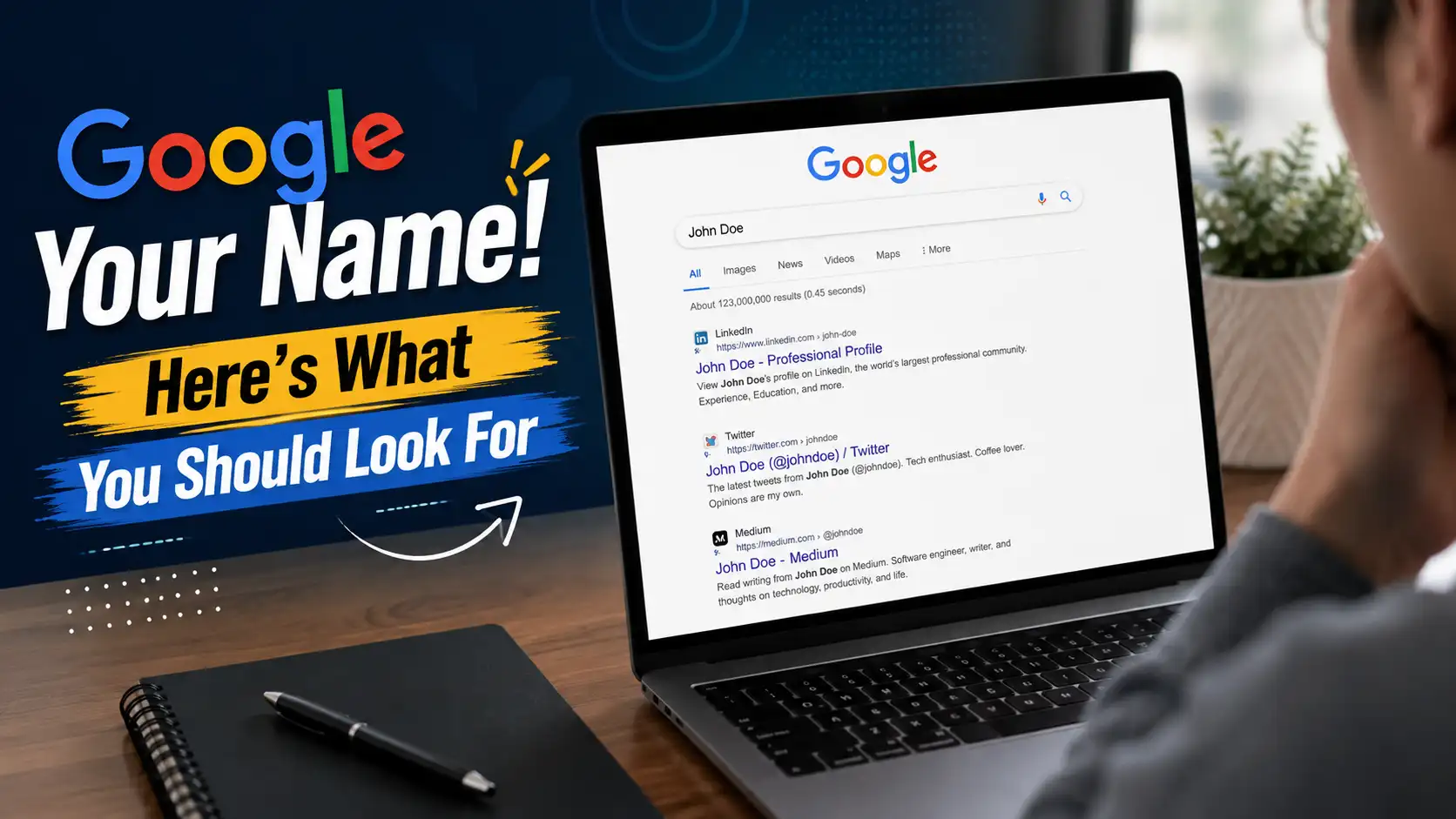
Have you ever searched your own name on Google just to satisfy your curiosity? If not, you might be surprised by what appears. Your name has become much more than a personal identifier—it represents your online identity. Every social media account, public profile, blog post, photo, comment, or news article connected to your name contributes to the image people see when they search for you. Whether you’re applying for a job, growing a business, or simply maintaining your online presence, your search results can influence someone’s opinion before you’ve even exchanged a single message.
In today’s digital world, Googling someone has become second nature. Recruiters research candidates before interviews, clients investigate freelancers before signing contracts, and even new acquaintances often search for each other online. Because of this, understanding what appears under your name is no longer optional. It’s one of the easiest ways to protect your reputation, improve your professional image, and ensure that the information people find is both accurate and up to date.
The internet also has an impressive memory. Content you posted years ago may still be searchable today, even if you’ve forgotten it exists. Old forum discussions, inactive social media accounts, outdated portfolios, and archived web pages can all remain visible long after you’ve moved on. While this might sound concerning, it also means you have an opportunity to review your online presence and make improvements before someone else discovers outdated or misleading information.
Fortunately, you don’t need advanced technical knowledge to manage your digital footprint. By taking a closer look at your Google search results and understanding what deserves your attention, you can gain greater control over how you’re perceived online. This guide explains exactly what you should look for when you Google your own name and why doing so should become a regular habit.
Why Searching Your Own Name Matters
Your online reputation often creates your first impression before you ever have the chance to introduce yourself. Employers, potential clients, business partners, universities, and even people you meet socially may search for your name to learn more about you. The information they find can shape their expectations, making it important to understand exactly what appears in those search results and whether it accurately represents who you are today.
Searching your own name also helps you identify outdated information, incorrect details, or unexpected content before it becomes a problem. Instead of leaving your digital identity to chance, you can actively monitor your search results, correct inaccuracies, and strengthen your online presence with information that reflects your current skills, achievements, and professional image.
What Is Your Digital Footprint?
Your digital footprint refers to all the information connected to you across the internet, whether you intentionally shared it or not. Every public social media profile, online review, personal website, forum comment, video, or article contributes to this footprint. Even websites you haven’t visited in years may continue displaying your information if they remain indexed by search engines.
Think of your digital footprint as a collection of puzzle pieces. Individually, each piece may seem insignificant, but together they create a complete picture of who you are online. The more you understand this picture, the easier it becomes to manage your reputation, protect your privacy, and ensure that your online identity reflects the person you are today.
How to Search Your Name Properly
Simply typing your first and last name into Google provides only a basic overview of your online presence. Search engines personalize results based on your browsing history, location, and previous searches, meaning the results you see may differ from what someone else sees. Performing a thorough search requires a more strategic approach to uncover the most accurate representation of your digital identity.
Using multiple search methods also increases the likelihood of discovering hidden or overlooked information. By experimenting with different search techniques, you’ll gain a more complete understanding of what others may find when they search for your name and identify opportunities to improve your online visibility.
Use Incognito Mode
Searching in Incognito Mode or Private Browsing reduces personalized search results by limiting the influence of your browsing history and logged-in accounts. Although results may still vary slightly based on location, this method offers a more neutral view of what employers, clients, or other people are likely to see when searching for your name.
Try Different Search Variations
Don’t limit yourself to searching only your full name. Try different combinations, including your nickname, middle name, city, profession, employer, university, or business name. These variations often reveal additional pages that may not appear during a standard search, especially if your name is shared by many other people.
Search with Quotes Around Your Name
Placing quotation marks around your full name tells Google to prioritize exact matches instead of pages that simply contain your first and last names separately. This technique can uncover interviews, public directories, archived pages, or other content directly associated with your name that might otherwise remain hidden.
Check the First Page of Results
The first page of Google deserves your full attention because it’s where most people stop searching. Studies consistently show that users rarely click beyond the first page, meaning these results often define your online reputation. Carefully reviewing each listing helps you understand whether it presents accurate, relevant, and professional information or whether certain results require updates or removal.
When evaluating the first page, try viewing it from another person’s perspective. Ask yourself whether the information builds trust, accurately represents your current situation, and creates the impression you want others to have. Small improvements to your online presence can gradually influence what appears in these highly visible search results.
Personal Websites and Portfolios
If you own a personal website or online portfolio, review every important page to ensure your biography, contact information, recent projects, and links remain current. A well-maintained website strengthens your credibility and gives you greater control over the information people find when searching for your name.
Social Media Profiles
Review every social media profile that appears in search results, including inactive accounts you may have forgotten. Update profile photos, biographies, usernames, and privacy settings where necessary, and remove accounts that no longer represent your personal or professional identity.
News Mentions and Public Records
Search results may include news articles, interviews, event pages, business registrations, academic publications, or public records connected to your name. Verify that these results are accurate and relevant, and if you discover factual errors, consider contacting the website owner or publisher to request corrections where appropriate.
Look for Personal Information Exposure
Protecting your privacy should be one of the main reasons for Googling your own name. Search results sometimes reveal far more personal information than people realize, especially if you’ve signed up for websites, participated in online directories, or appeared in public records over the years. While some information may be intentionally public, other details could expose you to unwanted contact, identity theft, or online scams if left unchecked.
Take time to inspect every result that contains your personal information. Consider whether the details are still relevant, whether they should remain publicly accessible, and whether you have the option to remove or limit their visibility. Being proactive about your privacy today can help prevent security issues and unwanted attention in the future.
Phone Numbers and Email Addresses
Search your name alongside your phone number or email address to see whether these details are publicly available. If personal contact information appears on websites where it isn’t necessary, consider requesting its removal or updating your privacy settings to reduce the risk of spam, phishing attempts, and unwanted communication.
Home Addresses and Sensitive Data
Some websites may display previous home addresses, family members, or other sensitive information collected from public records or data aggregators. If you discover this type of information online, check whether the website offers an opt-out process so you can reduce the amount of personal data available to the public.
Identify Fake or Duplicate Profiles
Not every online profile associated with your name is necessarily authentic or useful. Over the years, you may have created accounts on platforms you no longer use, or someone else may have created a profile pretending to be you. Duplicate and fake profiles can confuse employers, clients, and anyone trying to verify your identity, making your online presence appear inconsistent.
Review search results carefully to identify outdated accounts, duplicate profiles, or unauthorized pages using your name or photos. Updating, deleting, or reporting these profiles helps create a cleaner digital identity while ensuring that people find your official accounts instead of abandoned or misleading ones.
Review Images Associated with Your Name
Google Images provides another valuable perspective on your online reputation because many people click on image results when researching someone. Photos from social media, blogs, news articles, school events, or company websites may appear even if you haven’t viewed them in years. These images can influence first impressions just as much as written content.
Look through the images associated with your name and ask yourself whether they accurately represent your current personal or professional identity. If outdated or unflattering photos appear prominently, updating your profile pictures on trusted platforms and publishing newer, high-quality images can gradually improve the visual results connected to your name.
You can also read Protect Yourself from Google Maps Business Scams with These Easy Tips to learn how scammers exploit business listings on Google Maps and discover practical steps to keep your business and personal information safe online.
Evaluate Your Professional Reputation
Your online reputation extends beyond personal content and plays a significant role in your professional life. Whether you’re employed, self-employed, or searching for new opportunities, people often evaluate your expertise by reviewing your digital presence. Consistent, accurate, and professional information builds trust, while incomplete or outdated profiles may create uncertainty about your experience.
Regularly reviewing your professional reputation allows you to ensure that your qualifications, accomplishments, and work history remain current across different platforms. This not only improves your credibility but also makes it easier for employers, clients, and collaborators to verify your background.
LinkedIn and Career Profiles
Check your LinkedIn profile and any other career-related websites to ensure your work experience, education, certifications, skills, and contact information are accurate. Keeping these profiles updated demonstrates professionalism and increases your chances of making a strong impression on recruiters and potential clients.
Reviews and Public Comments
Search for reviews you’ve written, comments you’ve posted, or public discussions where your name appears. While participating in online conversations is perfectly normal, reviewing older comments helps ensure they still reflect your values and the image you want to present today.
Check for Security Risks
Googling your name isn’t only about managing your reputation—it can also reveal potential security concerns. Publicly available personal information may attract scammers, identity thieves, or cybercriminals looking for opportunities to exploit exposed data. Identifying these risks early gives you time to strengthen your privacy and secure your online accounts before problems arise.
Pay close attention to websites that display excessive personal information or reference old accounts you no longer use. Reducing unnecessary exposure can significantly lower the chances of becoming a target for phishing attempts, impersonation, or other forms of online fraud.
Data Broker Websites
Data broker websites collect information from public records and other sources, often displaying details such as addresses, phone numbers, age ranges, and relatives. If you find your information on these platforms, look for their opt-out or removal process to reduce the amount of personal data available online.
Breached Information
Although Google itself won’t directly show whether your passwords have been compromised, searching your email address alongside your name may reveal references to data breaches or leaked databases. If you suspect your information has been exposed, change affected passwords immediately, enable multi-factor authentication, and avoid reusing the same password across multiple accounts.
How to Improve Your Search Results
Finding outdated or undesirable search results doesn’t mean your online reputation is permanently damaged. Search results naturally evolve over time, especially when you publish new content and keep your online profiles updated. By consistently creating valuable, accurate information about yourself, you can gradually influence what appears when people search for your name.
Improving your search results requires patience rather than quick fixes. Focus on maintaining active, trustworthy profiles and removing unnecessary content whenever possible. Over time, search engines are more likely to prioritize fresh, relevant, and authoritative information that better reflects who you are today.
Create Positive Content
Publishing high-quality content such as a personal website, professional portfolio, blog posts, guest articles, or project showcases helps establish a stronger online presence. The more valuable and relevant content connected to your name, the greater the chance that positive results will rank higher in search engines.
Optimize Your Profiles
Update your social media accounts and professional profiles with consistent names, profile photos, biographies, and current information. Maintaining consistency across platforms makes it easier for search engines and visitors to recognize your authentic online identity.
Remove Outdated Information
Delete abandoned accounts, update old biographies, fix broken links, and request corrections or removals for inaccurate information whenever possible. While not every webpage can be removed from search results, reducing outdated content helps create a cleaner and more accurate digital footprint.
How Often Should You Google Yourself?
Googling your name once isn’t enough because your online presence constantly changes. New content is published every day, search engine rankings shift, and websites update their information regularly. Something that didn’t appear in search results last month could suddenly show up today, especially if someone tags you in a public post, mentions your name in an article, or uploads content related to you. Making self-searches a regular habit helps you stay informed about these changes before they affect your reputation.
A good rule of thumb is to search your name every three to six months. However, you should also perform a search after major life or career events, such as starting a new job, launching a business, publishing an article, speaking at an event, graduating from college, or receiving media coverage. These moments often generate new online content, making them the perfect time to review what others will see when they search for your name.
Common Mistakes People Make
One of the biggest mistakes people make is assuming that if they don’t actively use the internet, there’s nothing to find. In reality, your information may appear on websites you never created yourself, including business directories, public records, news articles, event pages, or data broker websites. Another common mistake is checking only the first search result instead of reviewing the entire first page, image results, and different variations of your name. Limiting your search can cause you to overlook important information that others may easily discover.
People also tend to ignore outdated accounts, inconsistent profile information, and old content that no longer represents them. Some believe deleting a social media account immediately removes it from Google, but search engines often continue displaying cached results until they’re updated. Failing to monitor your online presence regularly or neglecting privacy settings can leave unnecessary personal information exposed for years without your knowledge. A few minutes of routine maintenance can make a significant difference in protecting both your reputation and your privacy.
Conclusion
Your name is one of your most valuable digital assets. Every search result, profile, photo, article, and public comment contributes to the story people read about you online. Whether you’re pursuing career opportunities, building a business, or simply connecting with others, that story influences first impressions in ways that are often invisible. Taking the time to Google your own name allows you to see yourself through the eyes of employers, clients, colleagues, and even strangers, giving you the opportunity to correct mistakes, strengthen your credibility, and protect your personal information.
Managing your online reputation isn’t about hiding from the internet or trying to erase every trace of your digital history. Instead, it’s about making sure the information available online accurately reflects who you are today. Regularly reviewing your search results, updating professional profiles, improving your privacy settings, and creating positive content all contribute to a healthier digital presence that serves you well in both your personal and professional life.
It’s important to remember that building a strong online reputation is an ongoing process rather than a one-time task. Search engines constantly update their indexes, new content is published every day, and your own achievements continue to grow over time. By staying proactive instead of reactive, you’ll be better prepared for future opportunities while minimizing potential privacy and security risks. The next time you open Google, don’t search for the latest news or trending topic first—search for yourself. What you discover today could help shape a better online identity for tomorrow.
FAQs
1. Is it normal to Google your own name?
Yes. Regularly searching your own name is a smart habit because it helps you monitor your online reputation, verify that public information is accurate, and identify privacy or security concerns before they become larger problems.
2. Can I remove unwanted Google search results?
In some cases, yes. If the content violates privacy policies, contains sensitive personal information, or has been removed from the original website, you may be able to request its removal from Google. Otherwise, you’ll typically need to contact the website owner to update or delete the content.
3. Why do my Google search results look different from someone else’s?
Google personalizes search results based on factors such as your location, search history, browsing activity, and device. Using Incognito Mode or Private Browsing can provide a more neutral view of what other people are likely to see.
4. How can I improve what appears when people search my name?
You can improve your search results by maintaining updated professional profiles, creating valuable content such as a personal website or portfolio, removing outdated accounts, and ensuring that your public information is accurate and consistent across different platforms.
5. How often should I check my online presence?
Checking your online presence every three to six months is a good practice. You should also search your name after significant personal or professional milestones, such as changing jobs, launching a business, publishing content, or receiving public recognition, to ensure your search results remain accurate and up to date.